How Much Home Can You Afford in Richmond VA? A 2026 Buyer’s Guide
If buying a home in Richmond, Virginia is on your 2026 vision board, you are not alone. From first-time buyers eyeing Manchester condos to move-up homeowners looking for more space in Midlothian or Short Pump, one question comes up every single time:
“How much home can I actually afford in Richmond VA?”
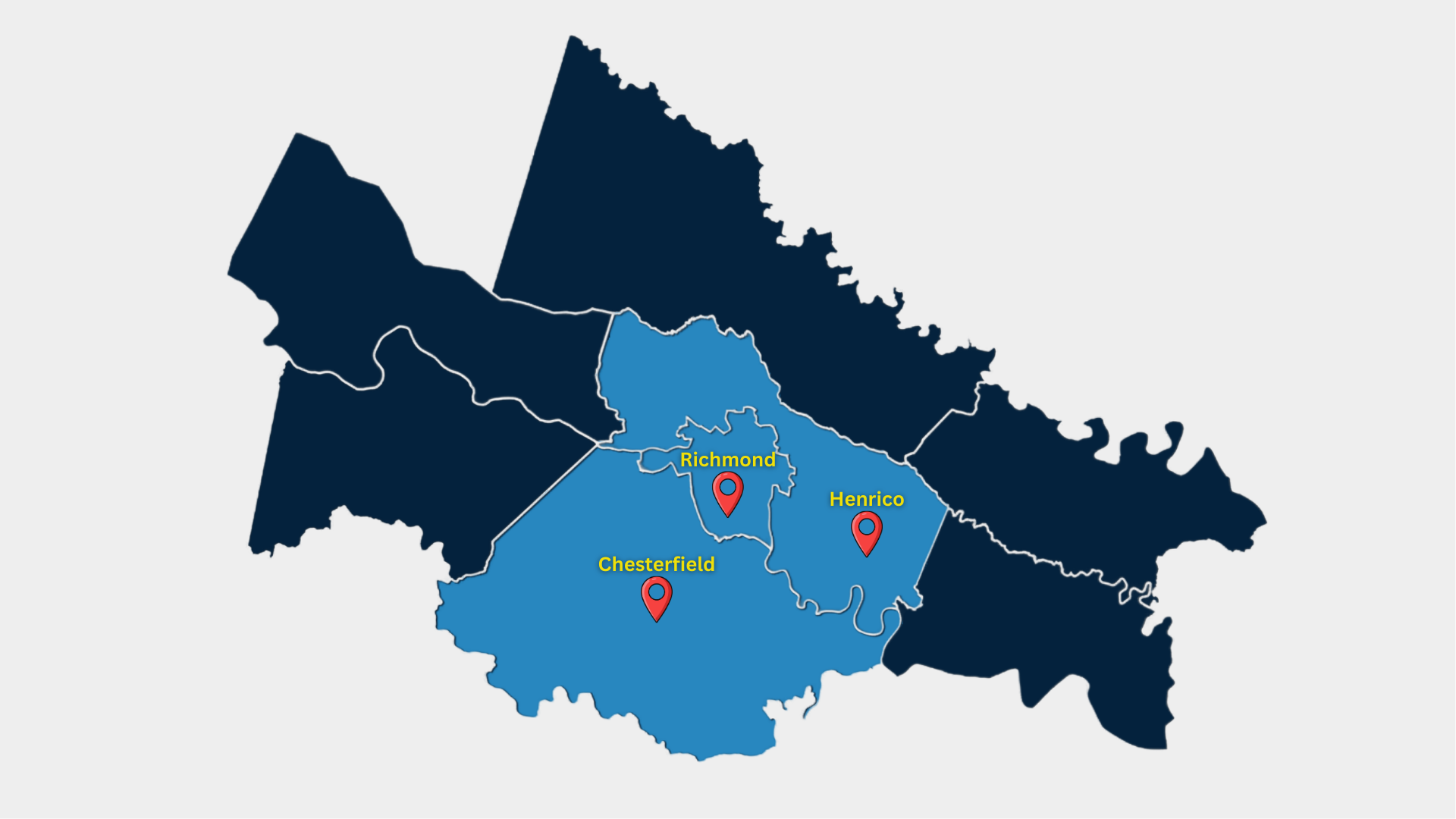
This guide is designed to answer that question clearly, realistically, and with a Central Virginia–specific lens. We are breaking down affordability using local price points, lending realities, lifestyle considerations, and smart planning strategies so you can move forward confidently in the Richmond, Chesterfield County, and Henrico County real estate markets.

Understanding Home Affordability in Richmond VA (It’s More Than a Monthly Payment)
When buyers start house hunting in Central Virginia, they often focus only on the monthly mortgage payment. While that is important, true home affordability in Richmond VA goes deeper.
Your purchase power depends on several interconnected factors:
Gross household income
Existing monthly debts
Credit profile
Down payment amount
Interest rates in 2026
Property taxes and insurance in Richmond, Chesterfield County, or Henrico County
HOA fees or condo dues (especially common in areas like Short Pump and Manchester)
Lenders typically use debt-to-income ratios (DTI) to determine approval. Most conventional loans cap total monthly debt around 43–45 percent of gross income, although some programs allow flexibility.
For example:
A household earning $90,000 annually may qualify very differently depending on student loans, car payments, or credit card balances.
Two buyers with the same income can have dramatically different budgets based on debt structure and credit history.
Homebuyer education starts with understanding that affordability is not a single number. It is a range that shifts based on strategy.
What Homes Cost Across Richmond, Henrico, and Chesterfield in 2026
The Richmond real estate market is hyperlocal. Home prices vary significantly depending on neighborhood, county, and housing type.
In 2026, buyers are seeing general patterns like:
The City of Richmond offering historic homes, condos, and townhomes with strong walkability
Henrico County delivering suburban convenience, schools, and access to Short Pump and Innsbrook
Chesterfield County providing larger lots, newer construction, and family-friendly neighborhoods in areas like Midlothian and Bon Air
Approximate affordability ranges buyers are exploring:
Entry-level condos and townhomes in Manchester or Eastern Henrico
Mid-range single-family homes in Bon Air, North Chesterfield, or near the Museum District
Higher-end properties in Short Pump, Midlothian, and western Henrico
Taxes also matter. Chesterfield County property taxes differ from Henrico County, and the City of Richmond operates on its own rate structure. These differences directly impact monthly affordability and long-term ownership costs.
How Much Income Do You Need to Buy a Home in Central Virginia?
While there is no universal rule, buyers often ask for income benchmarks tied to price ranges in Richmond VA real estate.
As a general planning framework:
Buyers targeting entry-level homes may prioritize low debt and down payment assistance
Mid-range buyers benefit from strong credit and flexible loan products
Higher-price-point buyers often optimize affordability through strategic financing rather than stretching income
However, income alone does not determine success. Buyers with modest incomes but minimal debt often outperform higher earners with significant financial obligations.
This is where local guidance matters. National affordability calculators do not always account for:
Central Virginia property tax structures
Insurance considerations near the James River
HOA prevalence in Short Pump or downtown condo communities
Utility costs tied to older Richmond housing stock
Smart Strategies to Increase Your Buying Power in Richmond VA
Affordability is not fixed. Buyers in Richmond, Henrico, and Chesterfield can actively improve their position with smart preparation.
Key strategies include:
Paying down revolving debt before pre-approval
Improving credit utilization ratios
Exploring down payment assistance programs available in Virginia
Considering adjustable or hybrid loan products when appropriate
Expanding geographic flexibility within Central Virginia
For example, a buyer priced out of the Museum District may find better value in Northside or Bon Air. A renter focused on walkability might compare Manchester with Shockoe Bottom or Scott’s Addition.
This is also where seasonal timing matters. Winter and early spring often present opportunities for buyers to negotiate more favorable terms before peak competition returns.

Buying vs. Renting in Richmond: A 2026 Perspective for Residents and Landlords
Affordability conversations are not limited to buyers. Renters and local landlords across Central Virginia are also navigating shifting market conditions.
For renters:
Rising rental rates in popular areas like Short Pump and downtown Richmond can make ownership more attractive long-term
Stability, tax advantages, and equity building often shift the affordability equation toward buying
For property owners and landlords:
Understanding buyer affordability trends helps predict rental demand
Some renters transition into buyers, while others remain long-term tenants due to pricing or lifestyle preferences
Property management strategy in Central Virginia increasingly depends on understanding how affordability impacts tenant behavior. Well-maintained rentals in desirable school districts or near major employers continue to perform strongly.
What This Means for Home Sellers in Richmond and Surrounding Counties
Home affordability directly impacts sellers as well. Pricing a home correctly in 2026 requires understanding what buyers can realistically afford, not just what similar homes sold for in the past.
Sellers in Richmond, Henrico County, and Chesterfield County benefit from:
Strategic pricing aligned with buyer financing thresholds
Presentation improvements that reduce buyer hesitation
Marketing that highlights value, efficiency, and location benefits
For example, energy-efficient upgrades or flexible spaces for remote work can widen the pool of qualified buyers without changing the list price.
Seller success in today’s market is tied to buyer affordability more than ever.

Why Local Expertise Matters When Calculating Affordability
Online calculators cannot replace local market knowledge. Richmond VA real estate operates differently than national averages suggest.
Neighborhood-specific factors matter:
Flood zones near the James River
Historic district guidelines in the Fan and Museum District
New construction trends in Chesterfield County
Condo association rules in Manchester and downtown
The Wilson Group works with buyers, sellers, investors, and landlords across Central Virginia, helping them translate numbers into real-world decisions.
Affordability is not just about approval. It is about comfort, sustainability, and long-term success in your homeownership journey.
Ready to Define Your Real Buying Power in Richmond VA?
Whether you are a first-time buyer, a move-up homeowner, a local landlord, or a real estate professional considering your next step, understanding how much home you can afford in Richmond VA is the foundation of every smart decision.
The Wilson Group offers hyperlocal insight across Richmond, Henrico County, and Chesterfield County, helping clients align lifestyle goals with financial reality.
If you want a personalized affordability strategy grounded in Central Virginia market expertise, connect with The Wilson Group. Real estate here is local, and your plan should be too.