Buying a home during the holiday season can be an exciting way to end the year. While many people are busy planning celebrations, decorating their homes, and preparing for the new year, motivated buyers in Richmond, VA, are still searching for the right place to call home.
But purchasing a home in November or December comes with a few extra considerations. Cooler temperatures, shorter daylight hours, holiday schedules, and seasonal weather can all affect the home inspection and repair process. Buyers need to know what to look for, which issues deserve attention, and how to keep a transaction moving without overlooking important details.
Whether you're shopping for a home in Chesterfield County, exploring neighborhoods in Henrico County, or considering a move elsewhere in Central Virginia, understanding holiday-season inspections can help you make a confident decision.
Here's what every late-year homebuyer should know before moving forward.
1. Why Home Inspections Matter Even More During the Holiday Season
It's easy to get caught up in the excitement of finding a home, especially when you're hoping to settle in before the new year. However, a beautiful property and festive staging shouldn't distract you from understanding the home's actual condition.
A professional home inspection provides a closer look at major systems, structural components, and potential maintenance concerns. It can uncover issues that may not be obvious during a regular showing.
Holiday-season buyers should pay particular attention to:
Heating systems: Make sure the furnace or heat pump is operating properly before colder weather settles in.
Roof and gutters: Look for signs of leaks, damaged shingles, clogged gutters, or drainage concerns.
Windows and doors: Check for drafts, damaged seals, and poor insulation.
Plumbing: Ask about leaks, water pressure, exposed pipes, and signs of previous water damage.
Electrical systems: Have outlets, switches, panels, and visible wiring evaluated by the inspector.
Foundation and drainage: Look for cracks, moisture intrusion, and water collecting around the property.
In Richmond and the surrounding Central Virginia region, temperatures can fluctuate considerably during late fall and winter. A home that feels comfortable during a mild afternoon showing may reveal heating or insulation problems when temperatures drop.
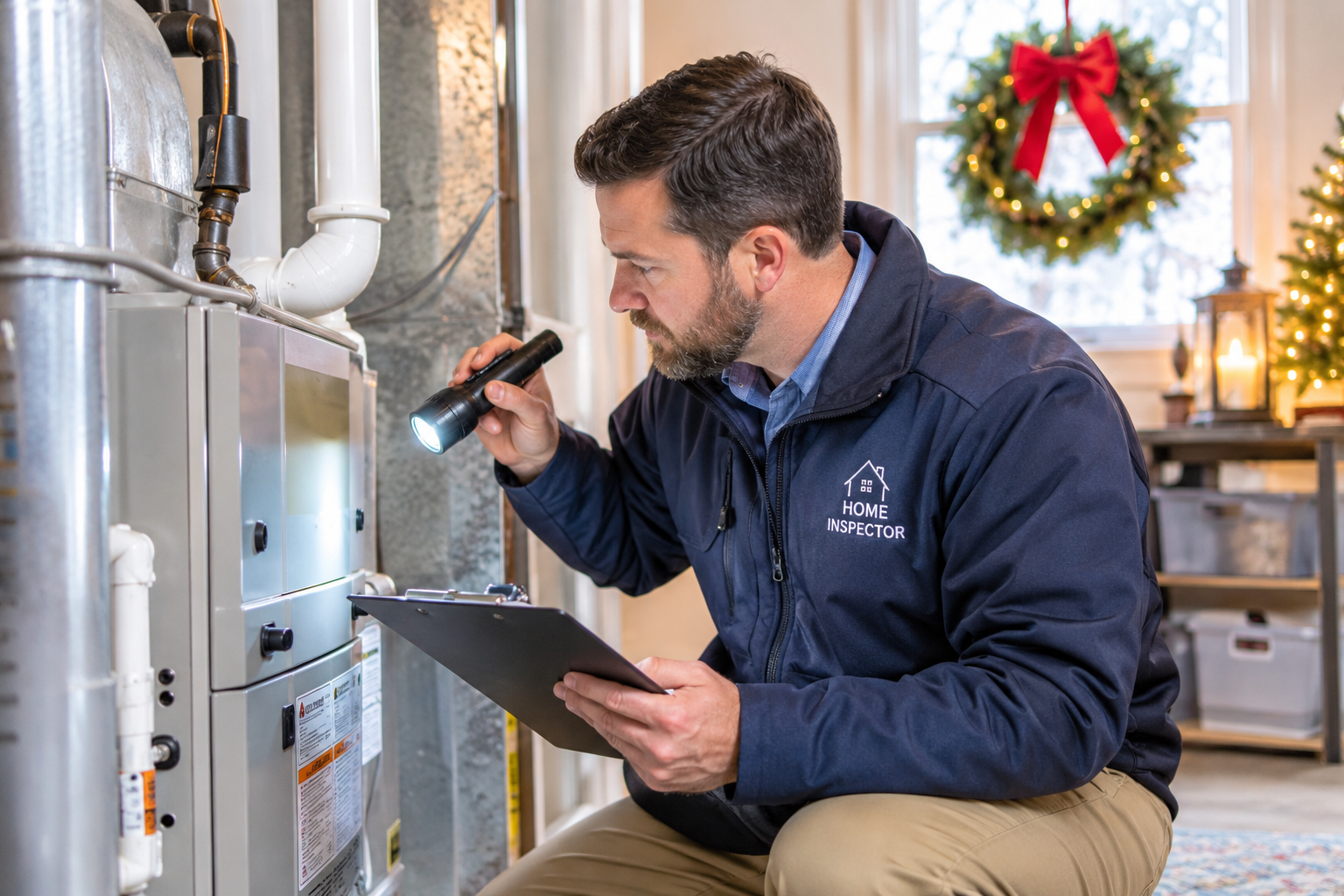
A home inspection isn't about finding a perfect property. Every home has some level of wear and tear. The goal is to understand what you're purchasing, identify significant concerns, and determine whether any issues need to be addressed before closing.
2. Seasonal Issues Buyers Should Watch For
Certain home maintenance concerns become easier to identify during colder months. Holiday-season buyers can use this to their advantage by paying attention to areas that may receive less attention during warmer weather.
Here are several seasonal issues worth discussing with your inspector.
Heating and HVAC Performance
Your heating system becomes one of the most important features of a home during winter. Ask your inspector to evaluate its visible condition and operation, including the thermostat, air filters, vents, and accessible components.
If the system is older or appears poorly maintained, you may want to ask the seller for available service records. A separate HVAC evaluation may also be appropriate if the inspector identifies concerns.
Roof Leaks and Water Intrusion
Rain, wind, and colder temperatures can expose roofing problems. Check for water stains on ceilings, damaged flashing, missing shingles, and signs of moisture in the attic.
Don't forget the gutters and downspouts. Leaves can accumulate during autumn, preventing proper drainage and potentially contributing to water problems near the foundation.
Drafty Windows and Poor Insulation
Cold weather can make insulation problems more noticeable. During a showing, pay attention to rooms that feel unusually cold, noticeable drafts, condensation, or windows that are difficult to open and close.
These issues may not always indicate a major defect, but they can affect comfort and future utility costs.
Plumbing and Freeze Protection
Exposed pipes in garages, crawl spaces, and other unheated areas deserve attention. Ask whether vulnerable plumbing has appropriate insulation and whether the home has experienced frozen or burst pipes in the past.
Moisture in Basements and Crawl Spaces
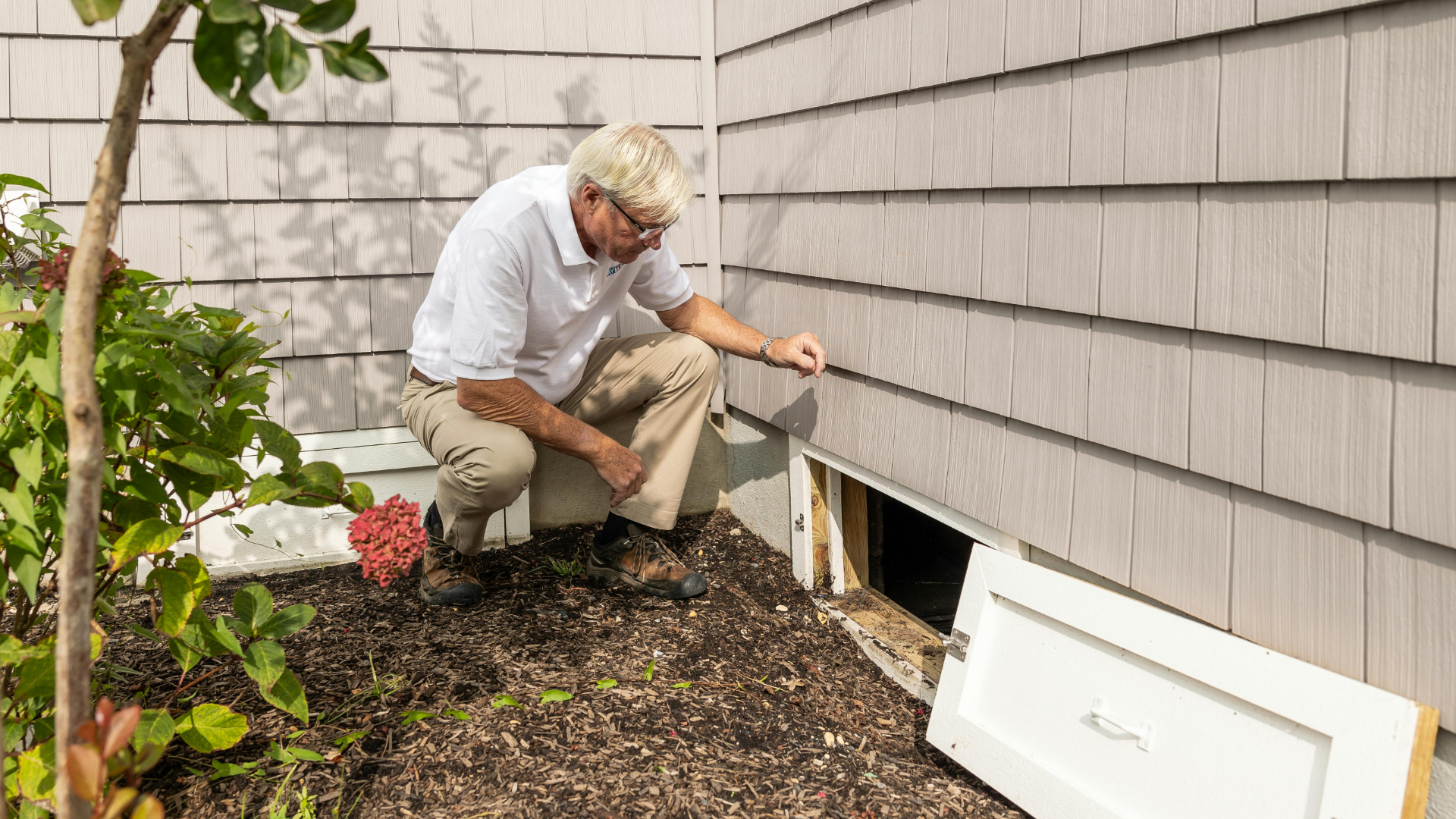
Central Virginia homes can experience moisture concerns throughout the year. Inspectors should evaluate accessible crawl spaces, basements, and areas where water intrusion may occur.
Pay attention to musty odors, visible staining, standing water, and signs of previous repairs.
3. Understanding Which Repairs Matter Most
Not every inspection finding needs to become a negotiation point. A home inspection report may include dozens of observations, ranging from routine maintenance recommendations to significant safety or structural concerns.
The important thing is knowing how to prioritize them.
Major Safety Concerns
Issues involving electrical hazards, unsafe heating equipment, structural instability, or other immediate safety risks deserve serious attention. Buyers should discuss these findings with their real estate agent and appropriate professionals.
Structural and Water-Related Problems
Foundation concerns, active roof leaks, significant water intrusion, and drainage problems can lead to expensive repairs if left unresolved. These issues may require additional evaluations before you decide how to proceed.
Major Mechanical Systems
Heating, cooling, plumbing, and electrical systems can represent substantial expenses. If an inspection identifies problems with these components, buyers should understand the condition, expected lifespan, and estimated repair or replacement costs.
Routine Maintenance
Some findings are simply part of owning a home. Minor caulking, loose hardware, aging paint, or small cosmetic imperfections may not justify requesting repairs from the seller.
A helpful approach is to separate inspection findings into three categories:
Address before closing: Significant safety concerns, active leaks, or major defects that need prompt attention.
Investigate further: Issues requiring a specialist's evaluation or a more accurate repair estimate.
Plan for later: Routine maintenance and cosmetic improvements that can be handled after moving in.
This makes it easier to focus negotiations on the issues that genuinely affect the property's condition and value.
4. How Holiday Schedules Can Affect Repairs and Negotiations
One of the biggest differences between buying a home during the holiday season and buying during other times of the year is scheduling.
November and December often bring shorter business weeks, holiday closures, limited contractor availability, and busy schedules for buyers and sellers. Even relatively simple repairs may take longer to coordinate.
For example, if an inspector discovers a plumbing concern, the buyer may need to schedule a licensed plumber for a separate evaluation. If the seller agrees to make repairs, the work may need to be completed and documented before the closing date.
These delays don't necessarily mean a transaction is in trouble. They simply make communication and planning more important.
Schedule the Inspection Early
Once your offer is accepted, work with your agent to arrange the inspection as soon as practical. Avoid waiting until the final days of your inspection period.
Allow Time for Specialist Evaluations
A general home inspection may identify an issue that requires further investigation. Roofing, HVAC, plumbing, electrical, pest, or structural specialists may need to provide additional assessments.
Confirm Repair Timelines in Writing
If the seller agrees to complete repairs, make sure the agreement clearly identifies the work to be performed and any applicable deadlines. Your real estate agent can help you understand the terms and coordinate the process.
Stay Flexible Around Holiday Closures
Contractors, inspectors, lenders, and other professionals may have reduced availability around Thanksgiving, Christmas, and New Year's Day. Building some flexibility into your schedule can help prevent unnecessary stress.
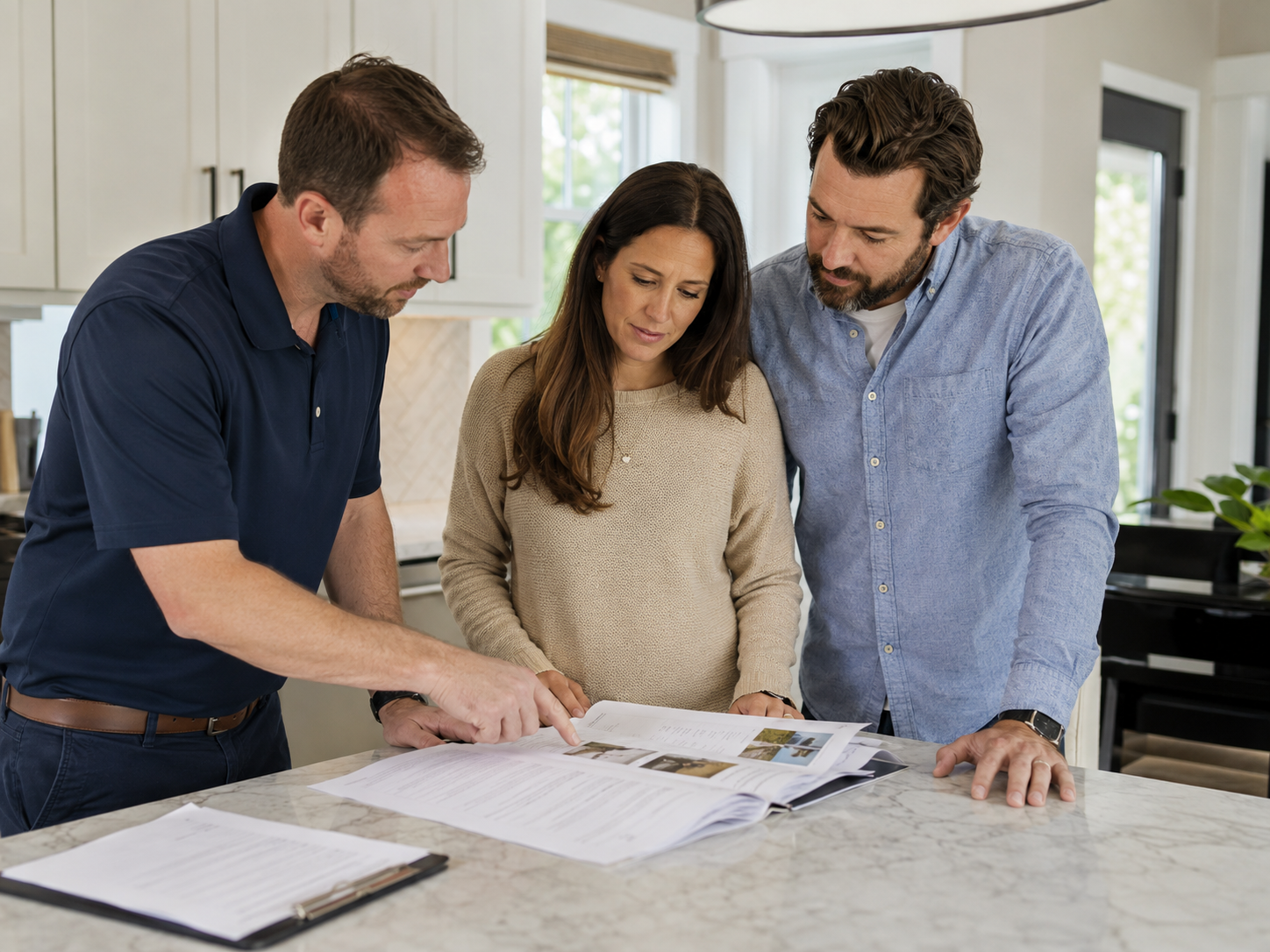
For buyers in Richmond, Chesterfield County, and Henrico County, having a knowledgeable local real estate professional can make a meaningful difference when coordinating inspections and repair discussions during a busy time of year.
5. Negotiating Repairs: What Buyers and Sellers Should Understand
Once the inspection report is available, buyers may have the opportunity to request repairs, negotiate a credit, or discuss other solutions with the seller, depending on the contract terms.
However, it's important to approach these conversations strategically.
Request Repairs for Significant Issues
Focus on concerns that affect safety, functionality, structural integrity, or the long-term condition of the home. A long list of minor cosmetic requests can make negotiations unnecessarily complicated.
Consider a Closing Cost Credit
In some situations, a seller credit toward allowable closing costs may be a practical alternative to having repairs completed before closing. This can give buyers more control over choosing contractors and scheduling work after the purchase.
Any credit must comply with the purchase agreement, lender requirements, and applicable limits. Buyers should confirm what is permitted before agreeing to this approach.
Get Professional Repair Estimates
An inspection report identifies concerns, but it doesn't always provide an exact repair price. When a significant issue is discovered, obtaining an estimate from a qualified professional can help buyers understand the potential expense.
Don't Assume Every Repair Will Be Accepted
Sellers are not automatically required to agree to every requested repair. The outcome depends on the contract, the nature of the issue, and the negotiation between the parties.
The key is to keep communication clear and focus on reasonable solutions.
6. Should Buyers Walk Away Because of Inspection Findings?
Finding problems during a home inspection doesn't automatically mean you should cancel the purchase.
Even well-maintained homes can have aging components, minor defects, and maintenance needs. The decision should depend on the severity of the findings, the cost of addressing them, and your comfort with the property's overall condition.
Before making a decision, consider:
Is the issue a safety concern or a manageable maintenance item?
Can a qualified professional repair it?
How much might the repair cost?
Is the seller willing to negotiate?
Does the property still meet your needs and budget?
What options are available under your purchase agreement?
Buyers should also pay close attention to their inspection contingency and other contractual deadlines. Missing a deadline can affect the options available to you.
If a major concern arises, consult your real estate agent and, when appropriate, a qualified attorney or specialist before deciding how to proceed.
Sometimes a repair negotiation leads to a reasonable agreement. Other times, the findings reveal that a property isn't the right investment. Either way, having accurate information puts you in a stronger position.
7. Prepare for a Smooth Closing Before the New Year
If you're hoping to purchase a home before the end of the year, staying organized can help keep everything on track.
Inspections and repairs are only part of the closing process. Buyers also need to coordinate financing, appraisals, title work, insurance, and the final walkthrough.
Here are a few practical ways to prepare:
Keep important documents organized. Save inspection reports, repair estimates, receipts, and written agreements in one place.
Respond promptly. Holiday schedules can make delays harder to recover from, so communicate with your agent and lender as quickly as possible.
Confirm completed repairs. Request documentation when appropriate and verify agreed-upon work before closing.
Schedule your final walkthrough. Use this opportunity to confirm the home's condition and check that agreed-upon repairs have been completed.
Keep your budget realistic. Even when the seller agrees to handle major repairs, remember that homeownership comes with ongoing maintenance expenses.
If repairs remain unresolved, discuss the situation with your agent before closing. Make sure any agreed-upon solution is properly documented and consistent with your contract.

Make Your Holiday Home Purchase With Confidence
Buying a home during the holiday season can be a smart move, but it shouldn't mean rushing through inspections or overlooking important repairs. Cooler weather can reveal seasonal maintenance concerns, while holiday schedules make early planning and clear communication especially important.
Whether you're purchasing in Richmond, Chesterfield County, Henrico County, or another Central Virginia community, understanding the inspection process helps you make informed decisions and protect your investment.
At The Wilson Group, we believe buyers deserve guidance throughout every stage of the homebuying journey. From evaluating properties and navigating inspection negotiations to preparing for closing, our team is here to help you move forward with confidence.
Thinking about buying a home before the end of the year? Let's talk about your goals and find a property that makes sense for your next chapter.
Ready to start your Central Virginia home search? Connect with The Wilson Group today and let's find the right home for you!