If you’re buying or selling a home in Richmond, Virginia, there’s one line item that deserves way more attention than it usually gets: property taxes.
In the world of Central Virginia real estate, property taxes impact affordability, resale value, rental cash flow, and even how competitive your offer needs to be. Whether you’re house hunting in the Museum District, listing in Midlothian, investing in Manchester, or managing rentals in Henrico County, understanding how property taxes work in Richmond VA is a serious power move.
Let’s break it down in plain English.

How Property Taxes Work in Richmond, Virginia
Property taxes in Richmond, Virginia are calculated using two main components:
The assessed value of your property
The local tax rate (also called the mill rate)
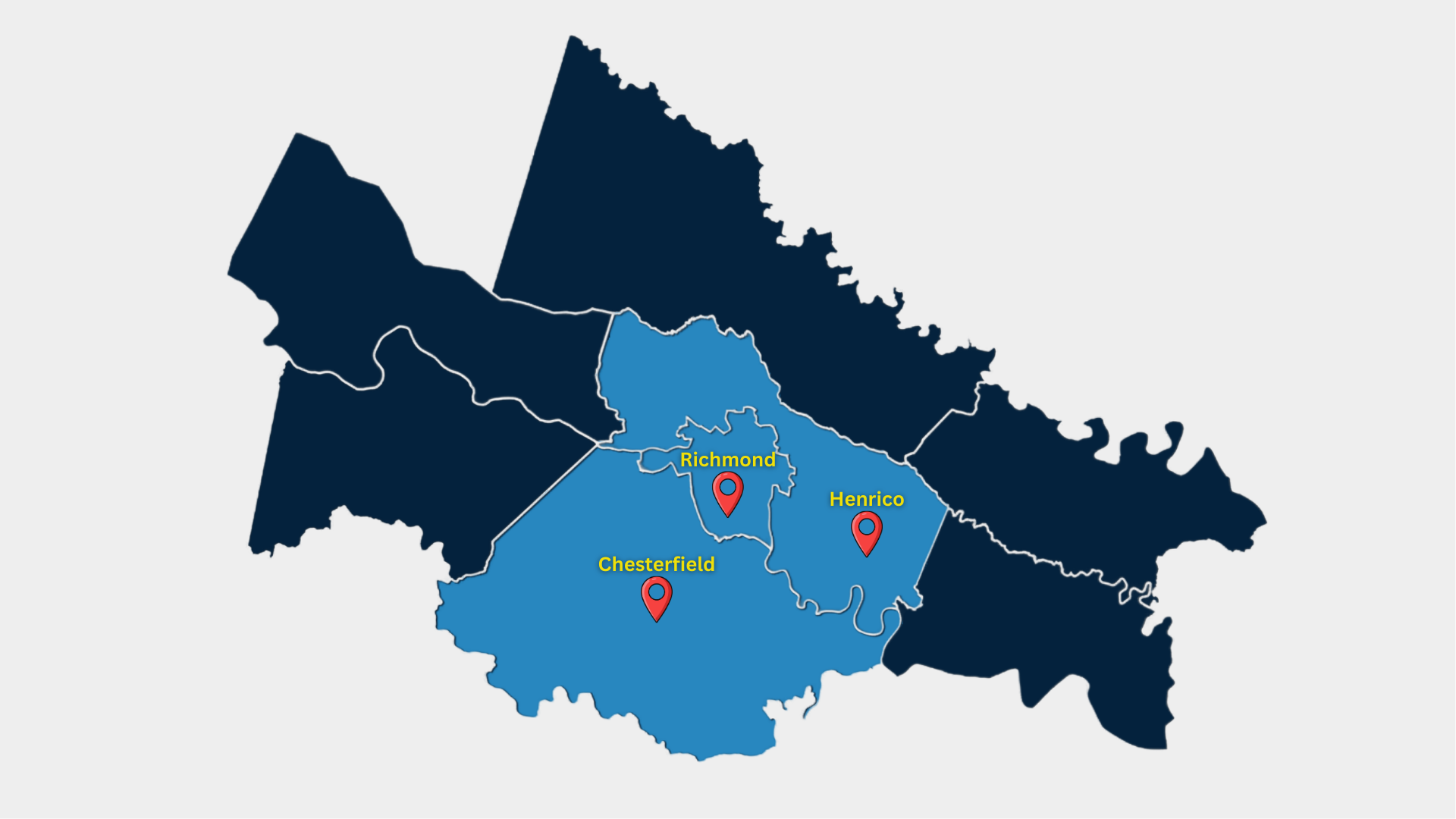
Each locality in Central Virginia sets its own rate. That means the City of Richmond, Chesterfield County, and Henrico County all have different property tax structures.
As of this writing, local real estate tax rates are approximately:
Richmond: $1.20 per $100 of assessed value
Henrico County: $0.83 per $100 of assessed value
Chesterfield County: $0.90 per $100 of assessed value
The formula is simple:
(Assessed Value ÷ 100) × Local Tax Rate = Annual Property Tax
The key detail? The assessed value is determined by the local assessor’s office — not your purchase price (though market value influences assessments over time).
If you’re buying in the City of Richmond, your property will be assessed by the City Assessor’s Office.
In Chesterfield County, assessments are handled separately.
Same goes for Henrico County.
Each locality reassesses properties on a set schedule, which can cause your tax bill to change even if you haven’t moved.
For buyers exploring homes in Short Pump, Bon Air, or the Museum District, this matters — because two homes with similar price tags may carry very different annual tax obligations depending on their locality.
Richmond vs. Chesterfield vs. Henrico: Why Location Changes Your Tax Bill
In Central Virginia real estate, location is everything — and that includes tax implications.
The City of Richmond historically has a higher property tax rate than surrounding counties. Meanwhile, Chesterfield County and Henrico County typically offer lower rates but may differ in services, school districts, and zoning structures.
For example:
• A home in Manchester (City of Richmond) may carry a higher annual tax bill than a comparable property in Midlothian (Chesterfield County).
• A property in Short Pump (Henrico County) could offer a different tax-to-service balance than one in the Museum District.
That doesn’t mean one is better than the other. It means buyers need to evaluate:
• Monthly payment impact
• Long-term resale value
• School zones
• Amenities and infrastructure
• Appreciation trends in Richmond VA real estate
When The Wilson Group works with buyers across Richmond, Virginia, we run side-by-side comparisons so clients understand not just purchase price — but true cost of ownership.
What Homebuyers in Richmond VA Should Watch For
If you’re buying a home in Central Virginia, here’s what you need to pay attention to:
1. Recent Reassessments
If a neighborhood in Richmond VA has seen rapid appreciation — like parts of Manchester or the Museum District — reassessments may lag behind market value. That could mean your tax bill increases after purchase.
Always ask:
When was the last reassessment?
Is the current tax bill based on an outdated value?
2. New Construction in Chesterfield or Henrico
Buying new construction in Midlothian or Short Pump? Be careful.
Sometimes your first tax bill reflects only the land value — not the completed home. When the full structure is assessed the following year, your property taxes can jump significantly.
We make sure our Central Virginia real estate clients understand this before closing.
3. Escrow and Monthly Payment Impact
Most buyers pay property taxes through escrow, meaning your lender collects 1/12 of the annual tax bill each month.
Higher taxes = higher monthly payment.
That affects:
• Debt-to-income ratios
• Offer strategy
• Affordability comfort level
Smart homebuyer education means looking beyond just the list price.

What Sellers in Richmond Virginia Need to Know
If you’re selling a home in Richmond, Chesterfield County, or Henrico County, your property tax history matters more than you think.
Buyers are savvy. They review:
• Current tax bills
• Assessment trends
• Year-over-year increases
If your property taxes recently increased due to reassessment, be prepared to explain why.
In appreciating neighborhoods like Bon Air, the Museum District, or parts of Henrico near Short Pump, higher assessments can actually support your asking price. It shows market growth.
But in slower-moving pockets of Central Virginia real estate, a high tax bill compared to neighboring homes can create buyer hesitation.
We coach sellers on:
• Pricing strategy relative to tax burden
• How to present assessment data
• How to address buyer concerns during negotiations
Strong homeseller guidance includes preparing for tax-related objections before they surface.
Property Taxes and Central VA Rental Property Owners
If you own rental property in Richmond VA, Henrico County, or Chesterfield County, property taxes directly impact your ROI.
For local landlords and property management clients, taxes influence:
• Cash flow
• Cap rate
• Rent pricing
• Long-term hold strategy
A reassessment in Manchester or the City of Richmond can squeeze margins quickly if rent hasn’t kept pace with appreciation.
This is why experienced property management in Central Virginia requires:
• Monitoring assessment notices
• Evaluating appeal opportunities
• Adjusting lease pricing strategically
If you’re investing in Richmond real estate, understanding property taxes is foundational — not optional.
Can You Appeal a Property Tax Assessment in Richmond VA?
Yes — and many homeowners don’t realize it.
If you believe your property’s assessed value exceeds fair market value, you can appeal through your locality’s assessor’s office.
Each jurisdiction has a formal appeal window and process. Documentation typically includes:
• Recent comparable sales
• Independent appraisals
• Evidence of property condition issues
If your assessment doesn’t reflect reality, especially in transitioning neighborhoods of Richmond, Virginia, appealing can reduce your annual tax burden.
This is especially relevant in rapidly developing areas of Central Virginia real estate, where assessed values may rise quickly alongside market demand.
Property Taxes and Long-Term Wealth in Central Virginia Real Estate
Here’s the bigger picture.
Property taxes are not just an expense — they’re part of the ecosystem that funds:
• Schools in Chesterfield County
• Infrastructure in Henrico County
• Public services in the City of Richmond
• Parks, libraries, and community programs
When you buy real estate in Richmond, Virginia, you’re investing in a community.
For buyers, that means evaluating total cost and future appreciation.
For sellers, that means positioning your home strategically.
For landlords, that means protecting margin while planning long term.
And for REALTORS® building a business in Central Virginia? Understanding tax nuance builds credibility. At The Wilson Group, we believe deep market knowledge — including property tax strategy — is what elevates agents from transactional to trusted advisor status.
If you’re a real estate professional in Richmond VA who wants to grow your business with a team that prioritizes education and hyperlocal expertise, there’s room at our table.
The Bottom Line on Richmond VA Property Taxes
Whether you’re buying in Short Pump, selling in Bon Air, investing in Manchester, or relocating to Midlothian, property taxes matter.
In Richmond, Virginia and across Central Virginia real estate markets, tax structure influences:
• Affordability
• Offer strength
• Rental performance
• Resale value
• Long-term wealth strategy
Understanding the numbers upfront helps you move confidently — and strategically.
At The Wilson Group, we don’t just open doors. We break down the financial mechanics behind every decision so you can win in Richmond VA real estate.
Thinking about buying, selling, investing, or building your real estate career in Central Virginia?
Let’s talk. We’ll help you understand your property taxes — and everything else that comes with owning real estate in Richmond, Chesterfield County, and Henrico County.
Your next move deserves clarity.