If you’re buying or selling a home in Richmond, Virginia, the home inspection process can feel like a high-stakes moment—and honestly, it is. But here’s the good news: with the right guidance, it doesn’t have to be stressful or confusing. At The Wilson Group, we believe informed clients make confident decisions, and that’s exactly what this guide is designed to do.
Whether you’re purchasing your first home in the Museum District, selling in Midlothian, or managing rental properties in Chesterfield County, understanding how inspections work in Central Virginia real estate can give you a serious advantage.
What Is a Home Inspection (and Why It Matters in Richmond VA)?
A home inspection is a professional evaluation of a property’s condition, typically conducted after a buyer’s offer is accepted. In Richmond, VA and surrounding areas like Henrico County and Chesterfield County, inspections are a standard part of most real estate transactions.

Inspectors assess key components such as:
Roofing and gutters
HVAC systems (critical in Virginia’s humid summers)
Plumbing and electrical systems
Foundation and structural integrity
Windows, doors, and insulation
In older neighborhoods like the Fan District or Church Hill, inspections are especially important due to the age and character of homes. Historic charm is a huge draw—but it can also come with hidden maintenance issues.
For buyers, inspections help uncover potential problems before closing. For sellers, they provide an opportunity to address issues upfront and avoid surprises later.
The Step-by-Step Home Inspection Process in Central Virginia
Let’s break down exactly what happens during a typical home inspection in the Richmond real estate market.
1. Scheduling the Inspection
Once a contract is ratified, the buyer typically has a short window (often 7–10 days) to complete inspections. Timing is crucial, especially during the competitive spring market in Central Virginia.
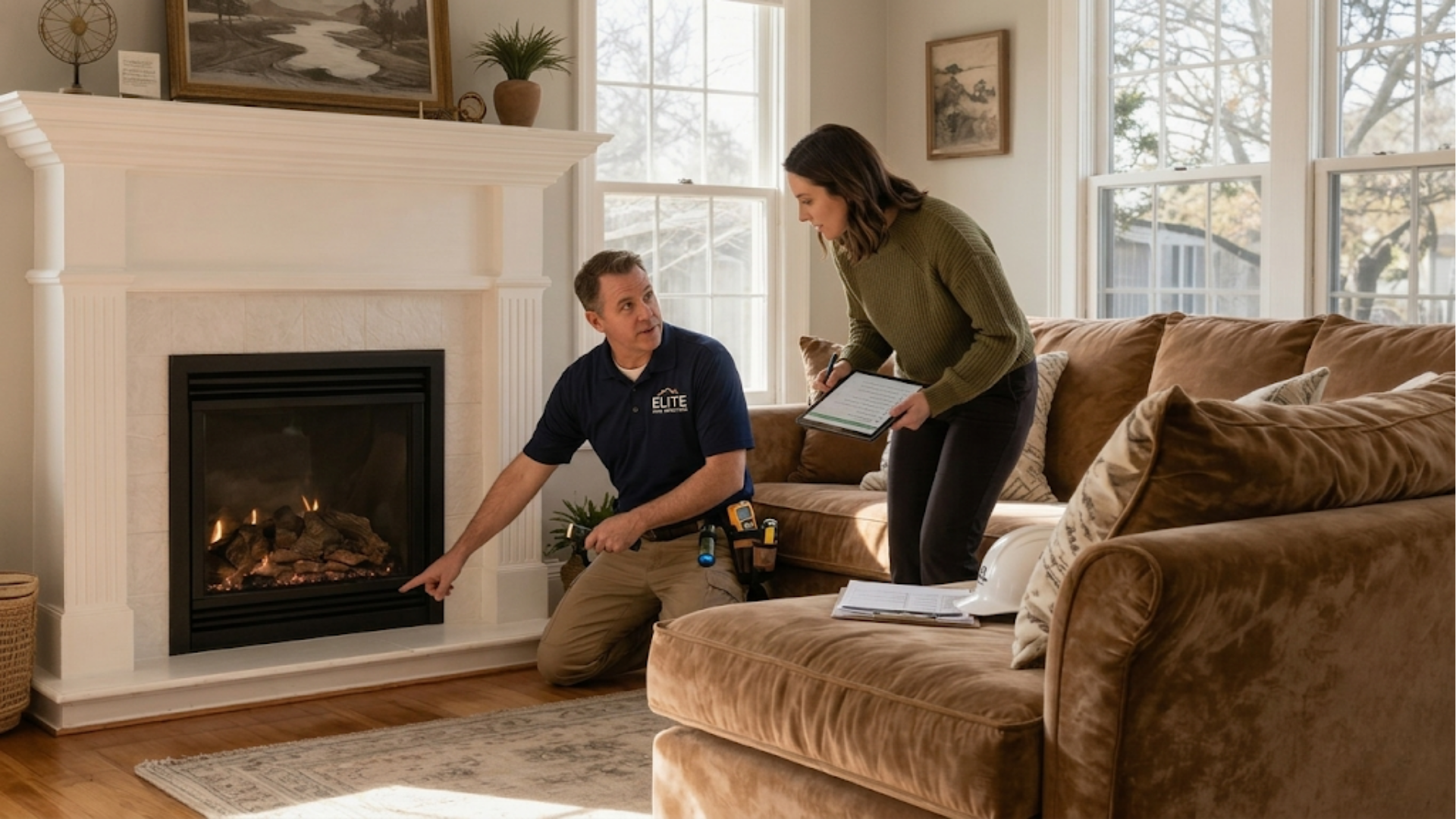
2. Attending the Inspection
Buyers are encouraged to attend. This is your chance to see the home through a professional lens and ask questions in real time.
3. The Inspection Report
Within 24–48 hours, you’ll receive a detailed report outlining findings, including photos and recommendations.
4. Negotiation Phase
Based on the report, buyers can:
Request repairs
Ask for credits
Accept the home as-is
In hot markets like Short Pump or Bon Air, negotiation strategies may differ depending on competition and inventory levels.
5. Resolution and Moving Forward
Once both parties agree, repairs (if any) are completed, and the transaction continues toward closing.
Common Issues Found in Richmond Area Homes
Richmond’s mix of historic and newer homes means inspection findings can vary widely. However, some issues pop up more frequently in Central Virginia real estate.
Here are the most common:
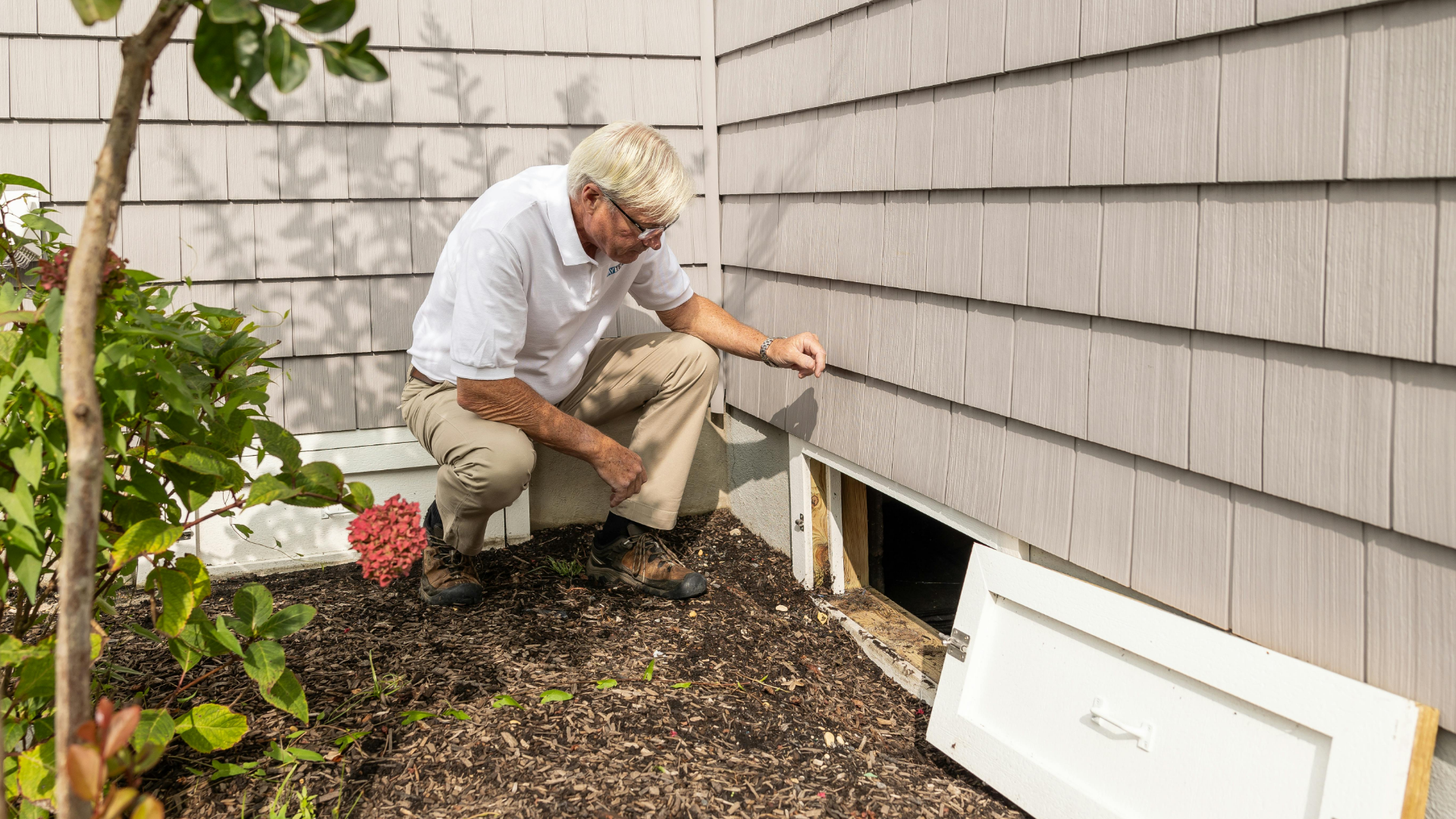
Moisture in crawl spaces (very common in Chesterfield County and older homes)
Outdated electrical systems in historic properties
Roof wear and aging shingles due to seasonal weather changes
HVAC inefficiency—especially in homes that haven’t been updated
Foundation settling in certain soil conditions
For landlords and property managers, these issues are critical. Preventative maintenance can save thousands and keep tenants happy.
Tips for Homebuyers Navigating Inspections in Richmond VA
If you’re buying a home in Richmond, Henrico, or Chesterfield, here’s how to stay ahead of the game:
Don’t skip the inspection
Even in competitive situations, waiving inspections can be risky—especially in older neighborhoods like Manchester or the Museum District.Focus on major systems
Not every issue is a dealbreaker. Prioritize structural, safety, and system-related concerns.Work with a local expert
A knowledgeable REALTOR® can help interpret reports and guide negotiations effectively.Budget for repairs
Even well-maintained homes will have some findings. Plan accordingly.
What Sellers Should Know Before Listing in Central Virginia
Sellers, this is where you can get strategic.

Consider a pre-listing inspection
This allows you to address issues before buyers even step in.Make small repairs upfront
Fixing minor problems can prevent them from becoming negotiation points.Be transparent
Disclosure builds trust and can lead to smoother transactions.Price accordingly
If your home needs work, pricing it right can attract serious buyers quickly.
In competitive areas like Midlothian and Short Pump, well-prepared homes often sell faster and with stronger offers.
Home Inspections and Property Management in Richmond VA
For investors and landlords in Central Virginia, inspections aren’t just for buying and selling—they’re a core part of smart property management.
Routine inspections help:
Identify maintenance issues early
Protect long-term property value
Ensure tenant safety and satisfaction
Reduce costly emergency repairs
Whether you own a rental in Bon Air or a multi-unit property in Manchester, proactive inspections are key to long-term success.
Why Working With The Wilson Group Makes the Process Easier
Let’s be real—the home inspection process can feel overwhelming. But with the right team, it becomes a powerful tool instead of a stressful hurdle.
At The Wilson Group, we:
Connect you with trusted local inspectors
Help you interpret reports clearly
Guide negotiation strategies based on market conditions
Support buyers, sellers, and investors across Richmond, Chesterfield County, and Henrico County
We know the nuances of Central Virginia real estate—from historic homes in the Museum District to new builds in Midlothian—and we use that expertise to protect your investment.
Your Next Step in Richmond Real Estate
Whether you’re buying your first home, selling your current one, or managing rental properties in Central Virginia, understanding the home inspection process puts you in control.
Ready to make your next move with confidence?
Connect with The Wilson Group today to get expert guidance tailored to the Richmond, VA market. From Short Pump to Church Hill, we’re here to help you navigate every step—inspection included.