If you’re buying, selling, or investing in Central Virginia real estate, there’s one topic that can quietly make a big impact on your bottom line: property taxes. They’re not flashy, but they matter—a lot.
Whether you're eyeing a charming home in the Museum District, listing in Midlothian, or managing rentals in Chesterfield County, Virginia, understanding how property taxes and assessments work in Richmond VA can help you make smarter decisions and avoid surprises.
Let’s break it down in a way that actually makes sense.

What Are Property Taxes in Richmond VA?
At the most basic level, property taxes are what homeowners pay to fund local services—think schools, road maintenance, public safety, and parks across Richmond, Henrico County, and Chesterfield County.
In Central Virginia real estate, your property tax bill is based on two things:
The assessed value of your property
The local tax rate (also called the mill rate)
Each locality sets its own rate, which means taxes can vary significantly depending on where you live. For example, a home in Short Pump (Henrico County) may have a different tax structure than a comparable property in Manchester or Bon Air.
For homebuyers, this is critical. That “great deal” on a home might come with higher annual taxes than expected, which affects your monthly payment and long-term affordability.
How Property Assessments Work in Central Virginia
Before taxes are calculated, your home needs a value—and that’s where assessments come in.
A property assessment is the local government’s estimate of your home’s market value. In Richmond VA, assessments are typically conducted annually, while surrounding counties like Chesterfield and Henrico may reassess on a different schedule.
Here’s what assessors look at:
Comparable home sales in your neighborhood
Property size, condition, and upgrades
Location (proximity to areas like the Fan, Carytown, or Midlothian)
Market trends in Central Virginia real estate
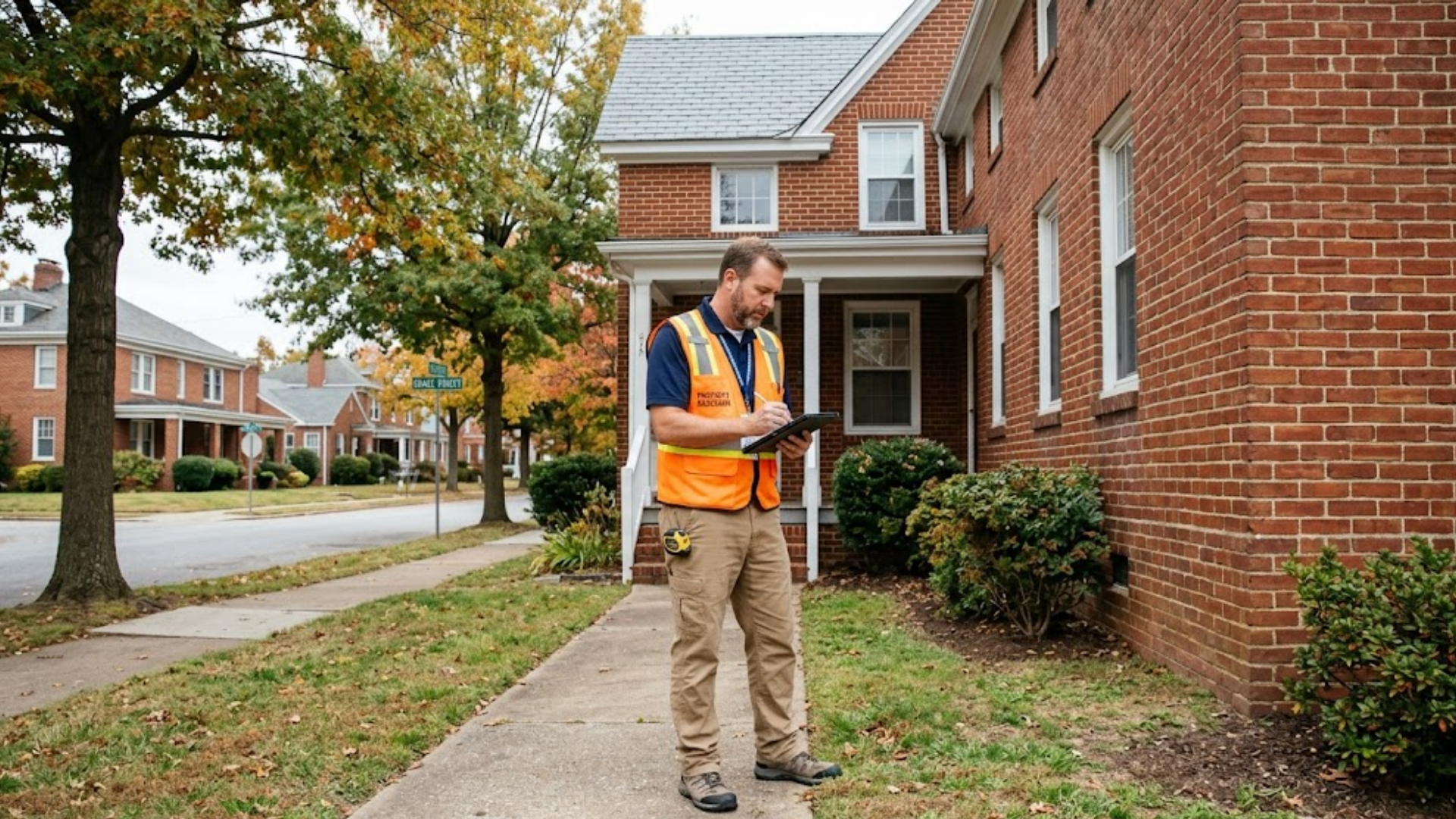
It’s important to understand this: assessed value is not always the same as market value. In a fast-moving market like Richmond, assessments can lag behind—or sometimes overshoot—actual sale prices.
For sellers, that gap can either work in your favor or create confusion when pricing your home.
Why Assessments Matter for Buyers and Sellers
Let’s talk strategy.
For buyers in Richmond VA, your future tax bill is tied to the assessed value—not necessarily what you paid. If you purchase a home significantly above its assessed value (common in competitive markets like Short Pump or the Museum District), there’s a good chance your assessment—and taxes—will increase in the next cycle.
For sellers, a higher assessment can be a double-edged sword:
It may support a higher asking price
But it can also scare off budget-conscious buyers
This is especially relevant in areas like Bon Air and Midlothian, where buyers are comparing multiple suburban options across Chesterfield County.
A smart listing strategy takes property taxes into account—not just comps and curb appeal.
Can You Appeal Your Property Assessment?
Yes—and sometimes, you should.
If you believe your home’s assessed value is too high, you have the right to appeal. This process is available across Richmond, Henrico County, and Chesterfield County, though timelines and procedures vary.
Common reasons to appeal:
Your home is assessed higher than similar nearby properties
There are factual errors (square footage, number of bedrooms, etc.)
Market conditions have shifted since the last assessment

Start by gathering evidence—recent sales, photos, and documentation. Then submit your appeal within the local deadline.
For landlords and property managers in Central VA, appealing assessments can directly improve cash flow—especially across multiple rental properties.
Property Taxes and Rental Investments in Central VA
If you’re managing or building a rental portfolio in Richmond VA, property taxes aren’t just a line item—they’re a key performance driver.
Higher taxes can:
Reduce net operating income (NOI)
Impact rental pricing strategy
Affect long-term ROI
In fast-growing areas like Manchester and parts of Henrico County, rising assessments can catch investors off guard.
That’s why savvy Central Virginia real estate investors:
Factor in potential tax increases before purchasing
Monitor assessment changes annually
Adjust rents strategically to maintain margins

If you’re new to property management in Richmond, understanding tax trends is just as important as screening tenants or maintaining the property.
Tips for Navigating Property Taxes Like a Pro
Here’s how to stay ahead, whether you’re buying, selling, or investing:
1. Always check the current assessed value before making an offer
This gives you a baseline for future taxes.
2. Look at historical assessment trends
Is the property steadily increasing in value? That’s a clue for future tax hikes.
3. Budget for increases
Don’t assume your tax bill will stay the same year after year.
4. Work with a local expert
Hyperlocal knowledge matters. Neighborhoods like the Museum District and Short Pump behave very differently when it comes to pricing and assessments.
5. Revisit your assessment annually
Especially important for landlords across Chesterfield County and Henrico County.

Why This Matters in Today’s Richmond Real Estate Market
Richmond VA and the surrounding Central Virginia real estate market continue to grow—and with that growth comes rising property values and shifting tax dynamics.
From the walkable charm of the Fan to the suburban appeal of Midlothian, understanding property taxes gives you a competitive edge.
Buyers can plan smarter.
Sellers can price more strategically.
Investors can protect their returns.
And agents? This is the kind of knowledge that builds trust—and closes deals.
Your Next Move with The Wilson Group
Whether you’re buying your first home in Bon Air, selling in the Museum District, or expanding a rental portfolio in Chesterfield County, Virginia, you don’t have to navigate property taxes alone.
The Wilson Group lives and breathes Central Virginia real estate. We understand the nuances—from Richmond city assessments to Henrico County tax rates—and we use that insight to help you win.
Ready to make a move with confidence? Let’s talk about your goals, your numbers, and your next step in Richmond VA.