If you’re buying or selling a home in Central Virginia real estate, one step can make or break the deal: the home inspection. Whether you’re navigating your first purchase in Richmond, Virginia, prepping a listing in Midlothian, or managing rental properties in Chesterfield County, Virginia, understanding the inspection process gives you a serious advantage.
Let’s break it all down—what to expect, how to prepare, and how to use inspections strategically in today’s fast-moving Richmond market.
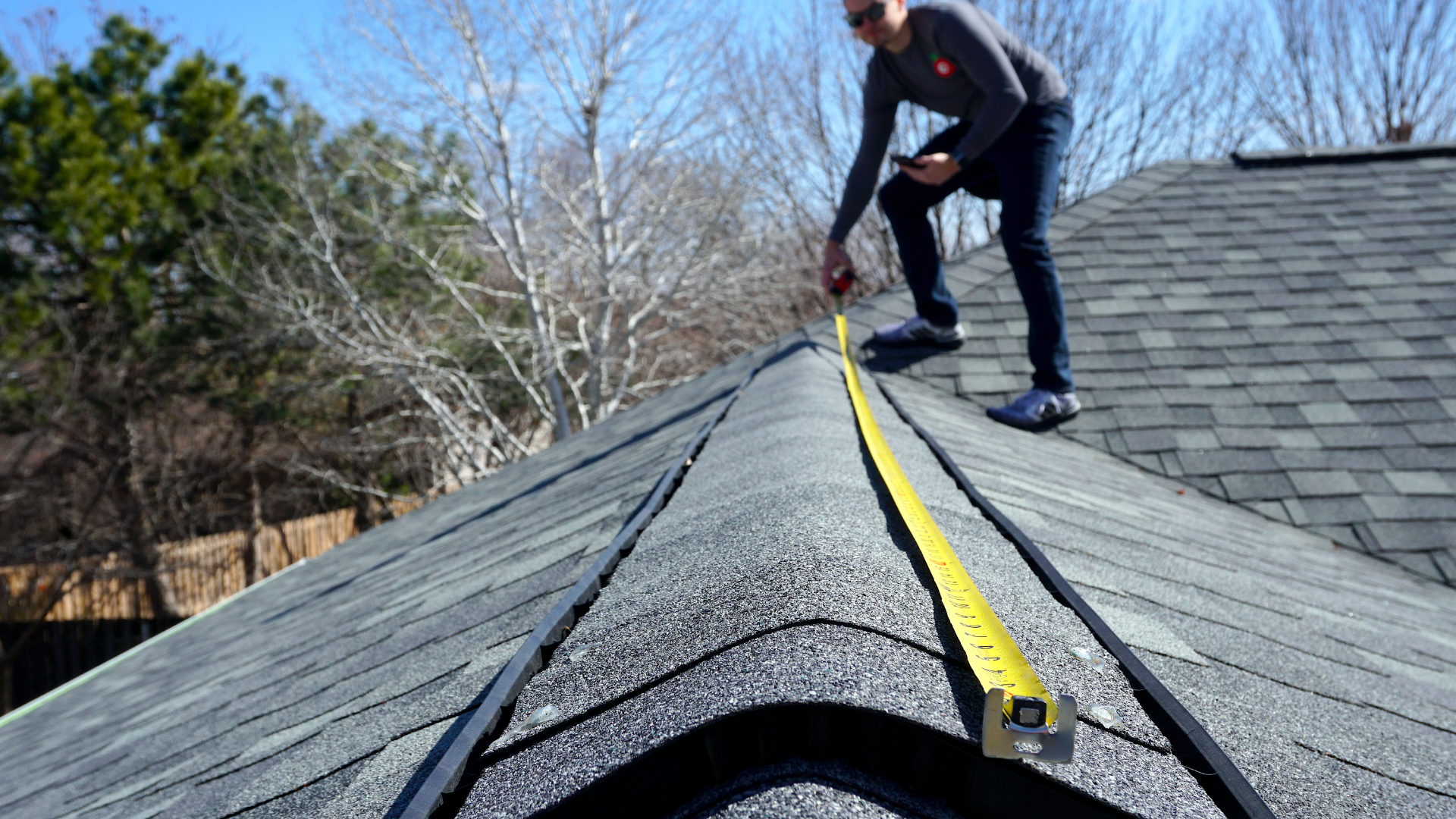
What Is a Home Inspection (and Why It Matters in Richmond VA Real Estate)?
A home inspection is a professional evaluation of a property’s condition, typically conducted after a buyer goes under contract. In competitive areas like the Museum District, Short Pump, and Manchester, inspections often play a pivotal role in negotiations.
Inspectors assess major systems including:
Roof and structure
HVAC systems
Plumbing and electrical
Foundation and drainage
Appliances and visible insulation
For buyers, this is your opportunity to uncover potential issues before closing. For sellers, it’s your chance to get ahead of problems before they derail your deal.
In Richmond, Virginia real estate, where housing stock ranges from historic Fan District homes to newer builds in Henrico County, Virginia, inspections can vary widely depending on the property’s age and condition.
What Buyers Should Expect During the Inspection Process
If you’re buying in Central Virginia, especially in competitive pockets like Bon Air or Midlothian, the inspection is your due diligence phase.
Here’s how it typically unfolds:
1. Scheduling the Inspection
Once under contract, buyers usually have 7–10 days to complete inspections. Timing is critical in a fast-paced Richmond market.
2. Attending the Inspection
You don’t have to attend—but you absolutely should. Walking through the home with the inspector gives you real-time insight into the property’s condition.
3. Reviewing the Report
Expect a detailed report with photos, notes, and recommendations. Don’t panic—no house is perfect, especially in older Richmond neighborhoods.
4. Negotiation Phase
Based on findings, buyers can:
Request repairs
Ask for a credit
Renegotiate terms
Walk away (depending on contract contingencies)
Pro tip: Focus on major issues—foundation concerns, roof damage, HVAC failures—not cosmetic fixes.

What Sellers Need to Know Before Listing in Central Virginia
Sellers in Chesterfield County, Virginia and Henrico County, Virginia can get ahead of the game by thinking about inspections early.
Pre-Listing Inspections: Worth It?
In many cases, yes. A pre-listing inspection allows you to:
Identify issues before buyers do
Make repairs on your terms
Price your home more accurately
Build buyer confidence
This is especially useful in older areas like the Museum District or historic Richmond neighborhoods where surprises are more common.
Common Issues in Richmond Homes
Aging roofs and gutters
Moisture in crawl spaces (hello, Virginia humidity)
Outdated electrical panels
HVAC systems nearing end-of-life
Addressing these proactively can prevent last-minute negotiations or deal fallout.
Presentation Still Matters
Even though inspectors focus on function, a well-maintained home signals care. Clean gutters, serviced HVAC systems, and clear access to crawl spaces all make a difference.

Inspection Insights for Central Virginia Landlords and Property Managers
If you own rental properties in Richmond, Chesterfield County, or Henrico County, inspections aren’t just for buying and selling—they’re essential for long-term asset protection.
Routine Inspections Protect Your Investment
Regular property inspections help:
Identify maintenance issues early
Ensure tenant compliance
Prevent costly repairs
Turnover Inspections Are Critical
Between tenants, a thorough inspection ensures the property is ready for the next lease and protects against disputes.
Code Compliance in Richmond VA
Local regulations and safety standards evolve. Staying ahead of inspection-related requirements keeps you compliant and avoids penalties.
For Central Virginia landlords, inspections are less about transactions and more about preservation and profitability.
How Inspections Impact Deals in Today’s Richmond Market
The Central Virginia real estate market continues to evolve, and inspection strategies are shifting with it.
In Competitive Markets
Buyers may:
Waive minor repairs
Limit inspection contingencies
Focus only on major structural/mechanical issues
In Balanced or Slower Markets
Buyers often have more leverage to:
Request repairs
Negotiate credits
Ask for seller concessions
For sellers, understanding these dynamics is key. A home in Short Pump may see different inspection negotiations than one in Manchester or Bon Air.
The key takeaway: inspections are not just about condition—they’re a negotiation tool.

Why Working With the Right Real Estate Team Matters
Navigating inspections in Richmond, Virginia real estate requires more than just reading a report. It takes strategy, local expertise, and strong negotiation skills.
That’s where The Wilson Group comes in.
We guide:
Buyers through smart inspection decisions
Sellers through pre-listing prep and negotiation strategy
Investors and landlords through long-term property management insights
And if you’re a real estate professional looking to grow your business in Central Virginia, this is exactly the level of client value that sets top agents apart.
Your Next Move in Central Virginia Real Estate
Whether you’re buying your first home in Midlothian, selling in the Museum District, or managing rentals in Chesterfield County, Virginia, understanding the home inspection process puts you in control.
The Wilson Group is here to help you navigate every step with clarity and confidence.
Ready to make your move in Richmond, Virginia real estate? Connect with The Wilson Group today for expert guidance tailored to Central Virginia buyers, sellers, landlords, and agents looking to grow in one of the region’s most dynamic markets.