If there’s one part of the real estate process that tends to make people nervous, it’s the home inspection.
Buyers worry they’ll uncover expensive surprises. Sellers worry every tiny issue will scare off an otherwise great offer. Landlords wonder whether maintenance items could impact long-term value. Agents know inspections can either strengthen a transaction—or become the moment where deals get renegotiated.
The good news? Home inspections don’t have to feel overwhelming.
Whether you’re buying in Short Pump, preparing to sell in Midlothian, managing rentals in Chesterfield County, or building your real estate portfolio across Central Virginia, understanding how inspections work can make the entire experience smoother.
Here’s what buyers, sellers, landlords, and local homeowners should expect.
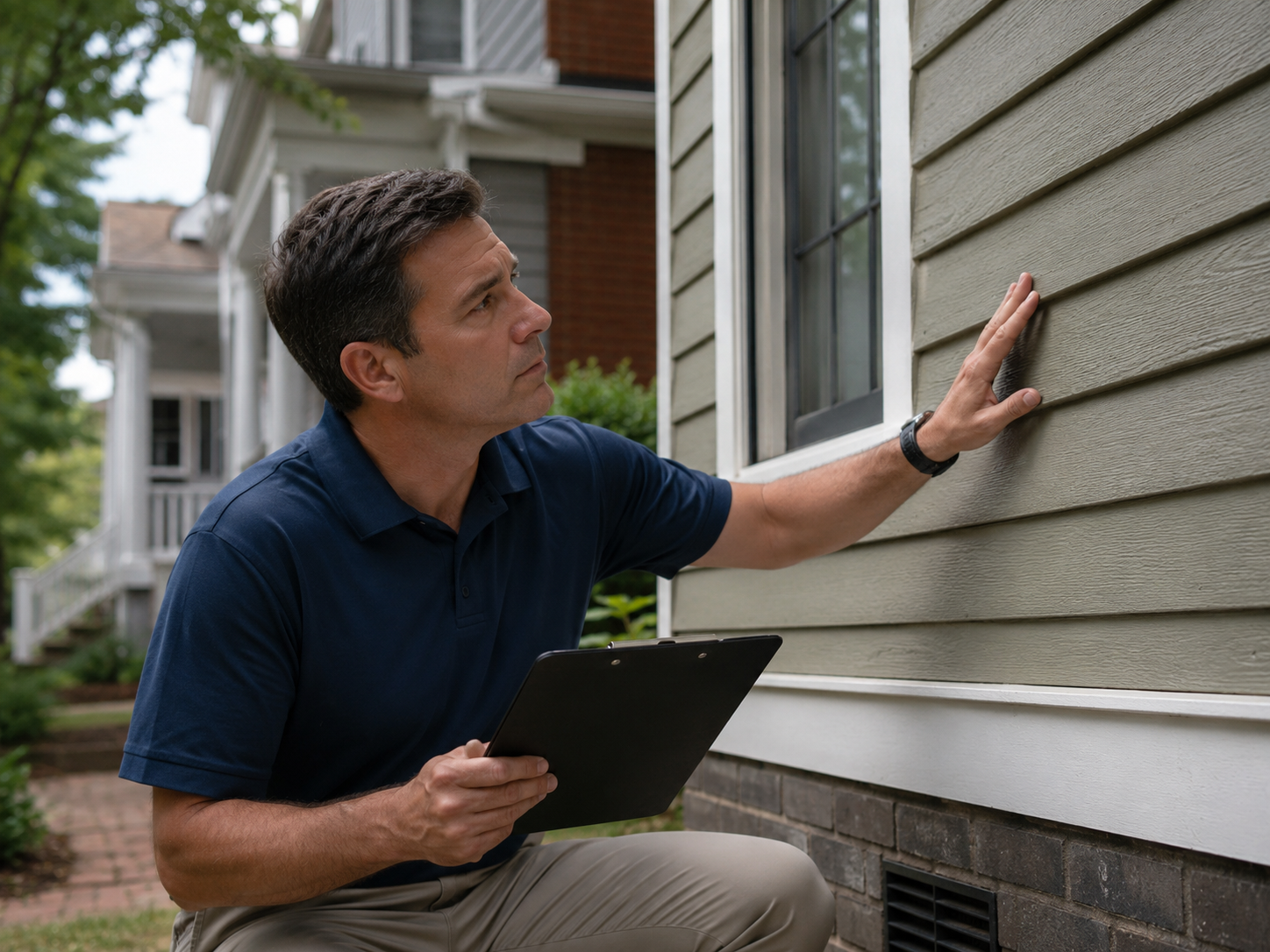
What Is a Home Inspection—and Why Does It Matter?
A home inspection is a professional evaluation of a property’s visible systems and components. Think of it as a detailed snapshot of the home’s current condition.
For buyers in Richmond, Virginia, a home inspection provides clarity before moving forward with one of life’s biggest purchases.
For sellers, inspections help identify opportunities to reduce surprises and keep transactions moving.
A standard home inspection often includes:
Roof condition
Foundation and structural components
HVAC systems
Plumbing
Electrical systems
Windows and doors
Attic and insulation
Appliances
Exterior drainage
Moisture concerns
Not every issue discovered during inspection is a major problem.
In fact, most homes—even beautiful homes in established neighborhoods like Bon Air, the Museum District, and Manchester—will show some wear and maintenance items.
The goal isn’t perfection.
The goal is information.
What Buyers Should Expect During the Inspection Process
Buying a home in Central Virginia can move quickly, especially during active market periods.
That’s why inspections matter.
Once your offer is accepted, the inspection period gives you a closer look at the property before finalizing the purchase.
Here’s what buyers should expect:
Expect findings—even in newer homes
No house is flawless.
New construction and recently renovated homes can still have items that appear in inspection reports.
Attend the inspection if possible
Walking through the property with the inspector can provide context that photos and reports sometimes miss.
You’ll often learn:
Which repairs are urgent
Which are maintenance items
Which are simply normal aging
Understand negotiation options
Inspection results can lead to:
Repair requests
Credits toward closing costs
Price adjustments
Moving forward as-is
Your REALTOR® helps interpret what’s reasonable in the current Richmond VA real estate market.
A loose doorknob? Probably not a deal breaker.
Active roof leaks? Different conversation.

What Sellers Can Do Before Listing to Avoid Inspection Surprises
Home sellers across Chesterfield County, Henrico County, and Richmond often ask:
“How do we avoid inspection drama?”
Preparation.
One of the smartest moves sellers can make is completing a pre-listing walkthrough before putting the home on the market.
Focus on these areas:
HVAC servicing
Routine servicing signals proper maintenance and may reduce concerns during inspection.
Roof and gutter maintenance
Loose shingles, clogged gutters, and drainage issues attract attention quickly.
Plumbing checks
Address leaks, slow drains, and visible water damage.
Electrical updates
Replace non-working outlets, exposed wiring, and missing covers.
Exterior maintenance
Pressure washing, sealing gaps, and touching up trim improves both inspection confidence and curb appeal.
Older homes in places like the Museum District or established areas of Bon Air often have character—and inspectors understand that. Deferred maintenance creates more concern than age alone.
Sellers who prepare typically create smoother negotiations and stronger buyer confidence.
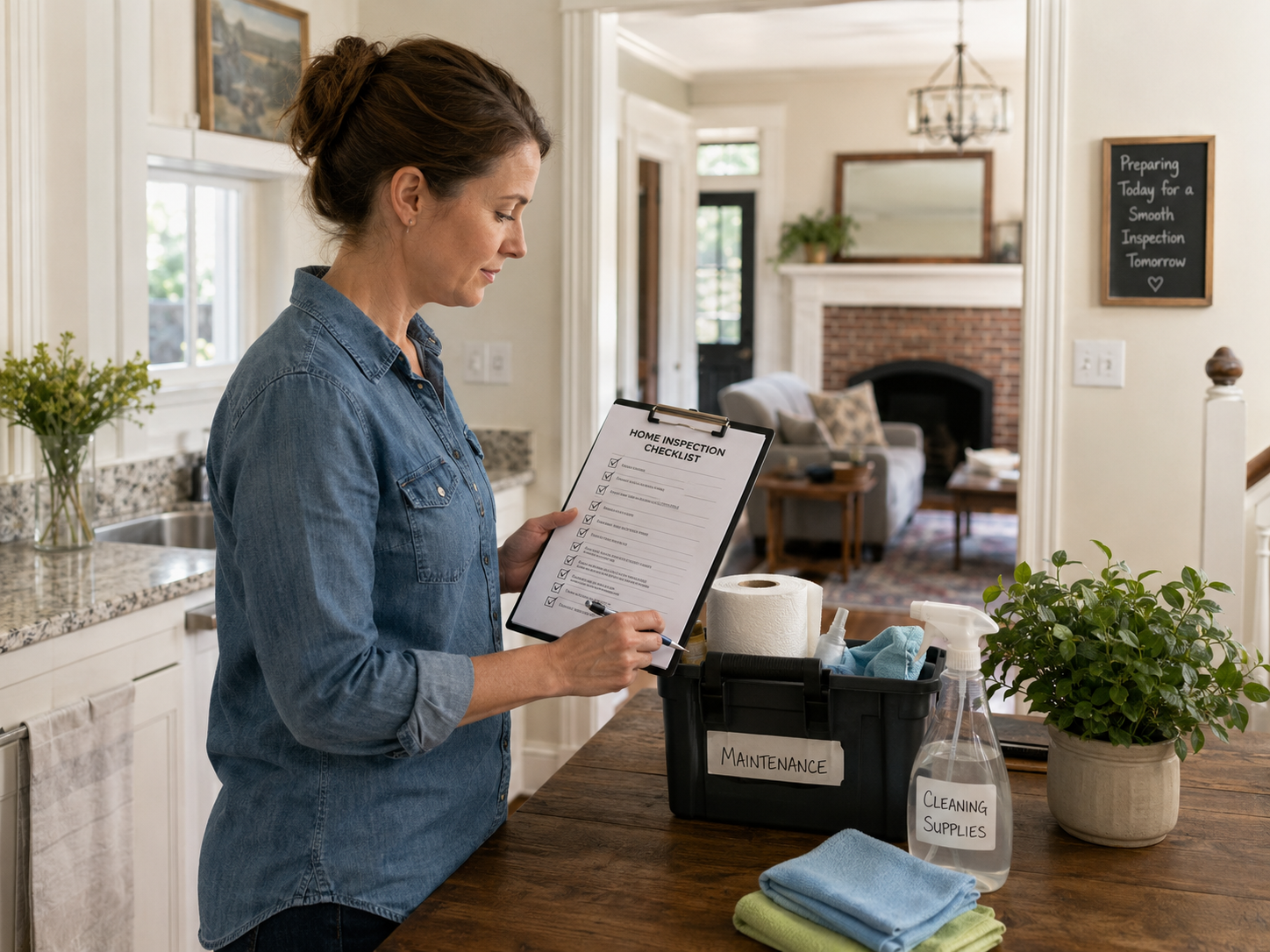
Home Inspections for Rental Properties and Central Virginia Landlords
Home inspections aren’t only for buying and selling.
Property owners and landlords throughout Central Virginia can use inspections proactively.
If you own rentals in Richmond, Chesterfield County, or Henrico County, periodic evaluations help reduce unexpected repair costs and improve tenant satisfaction.
Consider seasonal inspection checkpoints:
Spring and summer
HVAC performance
Exterior grading
Deck conditions
Fall
Roof review
Gutter cleaning
Weather sealing
Winter
Plumbing insulation
Heating system performance
Preventive maintenance protects property value and creates a better ownership experience.
For landlords growing rental portfolios, inspection-style maintenance reviews can uncover issues before they become emergency expenses.
The Most Common Inspection Findings in Central Virginia Homes
Some inspection comments show up repeatedly in our local market.
That doesn’t mean the home is a bad investment.
Common findings include:
Aging HVAC components
Minor roof wear
Moisture in crawl spaces
Window seal failure
Missing GFCI protection
Exterior wood maintenance
Drainage improvements
Deferred caulking and sealing
Homes in established communities around Midlothian and older Richmond neighborhoods may naturally show more maintenance notes than newer suburban developments.
That’s normal.
The real question is whether findings affect:
Safety
Functionality
Cost
Long-term ownership goals
This is where experienced local guidance becomes valuable.
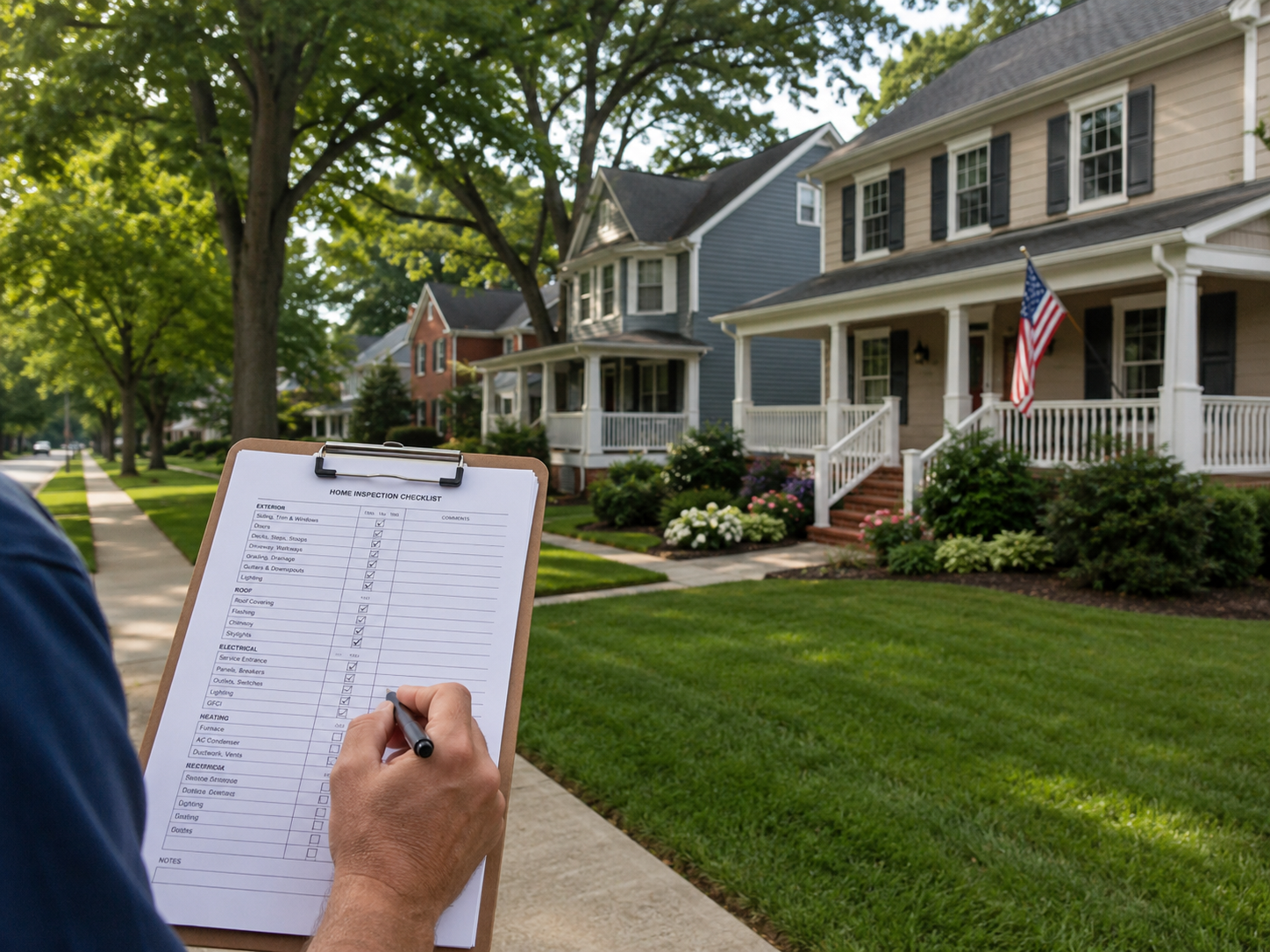
Why Local Expertise Makes Home Inspections Less Stressful
Real estate isn’t one-size-fits-all.
A report that feels overwhelming to a first-time buyer may look completely manageable to an experienced local team.
That’s especially true in Richmond and Central Virginia where housing styles vary dramatically—from historic city properties to newer suburban communities.
Understanding local housing trends, neighborhood expectations, repair norms, and negotiation strategies can turn inspections from stressful moments into informed decisions.
At The Wilson Group, we help buyers understand inspection findings, guide sellers through smart preparation, support landlords with long-term property strategies, and continue building a team of REALTORS® who know how to create confidence throughout every stage of the transaction.
Whether you’re buying your first home in Short Pump, selling in Midlothian, managing rentals in Chesterfield County, or exploring REALTOR® opportunities in Richmond VA, local knowledge makes all the difference.
Ready to talk strategy?
Connect with The Wilson Group for expert guidance on buying, selling, investing, property management, and growing your real estate career in Central Virginia. Your next move starts with understanding the details—and inspections are one of the best places to begin.